AI Influencers Are Taking Over in 2026 — What It Means for the Future of Fame
AI Influencers Are Redefining Fame in the Digital Age
March 19, 2026
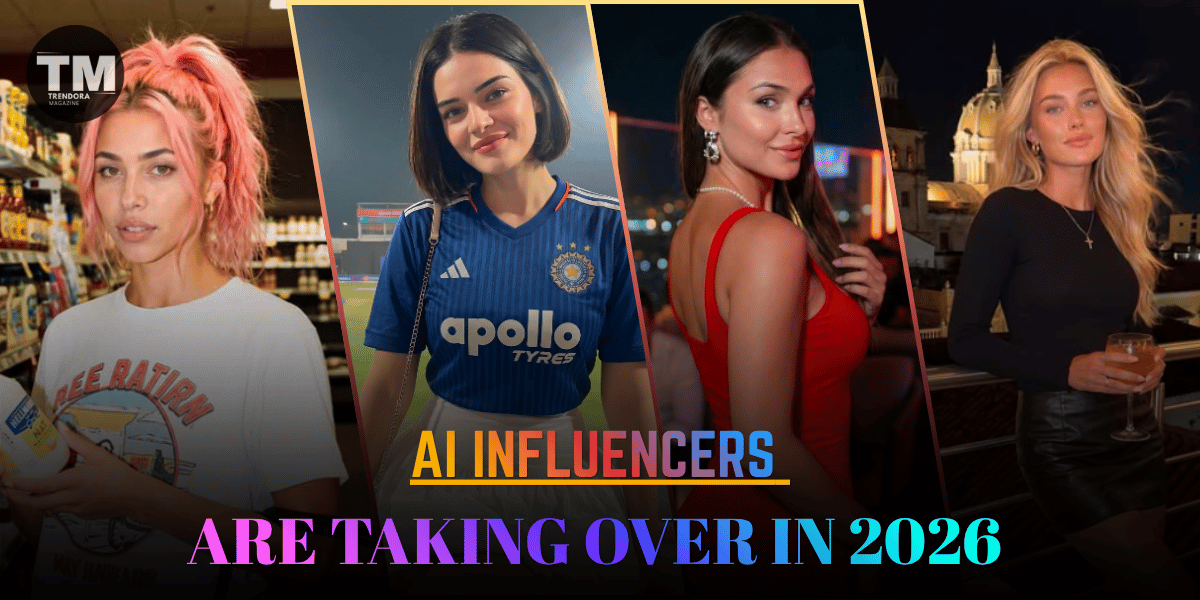
The concept of fame is undergoing a dramatic transformation in 2026. While social media once gave rise to human influencers who built audiences through personality and relatability, a new wave of digital celebrities is now emerging — AI influencers.
Photo: AI influencers/lefty.io
These virtual personalities, powered by artificial intelligence, are gaining millions of followers, collaborating with major brands, and appearing across platforms like Instagram, TikTok, and YouTube. What once seemed like science fiction has now become a key part of modern digital culture.
Photo: AI influencers/lefty.io
AI influencers are not just tools — they are becoming recognizable faces in the online world, challenging traditional ideas of celebrity and influence.
AI influencers are digitally created characters designed using advanced technologies such as machine learning, CGI, and data-driven behavior modeling. Unlike human influencers, they are fully controlled by developers, brands, or creative teams.
Some of them even have detailed backstories, lifestyles, and unique identities, making them feel almost real to their audiences.
Why Brands Are Investing Heavily in Virtual Creators
One of the biggest drivers behind the rise of AI influencers is their appeal to brands. In an era where brand image is everything, companies are constantly looking for ways to maintain control and consistency.
Surprisingly, audiences are not resisting this change — many are embracing it. AI influencers are gaining real followers who engage with their posts, comment on their content, and even form emotional connections.
This shift highlights how digital culture is evolving. People are becoming more open to interacting with virtual personalities, especially when the content is entertaining, aesthetically pleasing, or relatable.
For younger audiences in particular, the line between reality and digital creation is becoming increasingly blurred.
Despite their rapid rise, AI influencers have sparked an ongoing debate within the industry.
On one hand, they offer unmatched efficiency and control. On the other, they lack genuine human experience. Critics argue that no matter how advanced technology becomes, it cannot replicate real emotions, struggles, and authenticity.
Human influencers bring:
Personal stories
Real-life experiences
Emotional depth
These elements create a level of connection that AI still struggles to achieve.
The growth of AI influencers also raises several ethical questions. For example:
Should audiences always be informed that an influencer is AI?
Who is responsible for the content they create?
Could this lead to fewer opportunities for real creators?
There are also concerns about unrealistic beauty standards, as AI influencers are often designed to appear “perfect,” which may impact audience perception and self-image.
These challenges highlight the need for clear guidelines and responsible use of AI in content creation.
What This Means for the Future of Content Creation
The rise of AI influencers signals a major shift in how content is produced and consumed. While it’s unlikely that human influencers will disappear, the landscape is definitely changing.
Increased use of virtual personalities in films and media
This evolution will push creators to focus more on authenticity, originality, and storytelling — qualities that set them apart from AI.
Final Thoughts
AI influencers are not just a passing trend — they represent a new era of digital influence. As technology continues to evolve, the balance between human creativity and artificial intelligence will shape the future of fame.
Whether AI influencers become dominant or remain a complementary force, one thing is clear: The definition of celebrity is changing — and it’s happening faster than ever.
Want more trending stories and celebrity updates? Explore the latest on Trendora Magazine.
Daniel Moore is an entertainment writer at Trendora Magazine, covering Hollywood news, celebrity culture, and trending pop culture stories. He focuses on timely updates and clear storytelling that keeps readers informed and engaged.