Hollywood is no stranger to innovation, but the rise of AI-generated performers like Tilly Norwood is pushing the industry into completely uncharted territory. Unlike traditional actors, Tilly isn’t a person — she’s a hyper-realistic digital character created entirely using artificial intelligence.
And while that might sound like a futuristic experiment, the reality is already here — and it’s causing serious conversations across the entertainment world.
Why Tilly Norwood Is More Than Just a Tech Experiment
At first glance, Tilly Norwood may seem like just another digital creation. But her purpose goes far beyond visuals. Created by a production studio focused on AI-driven storytelling, she represents a shift in how “talent” itself is defined.
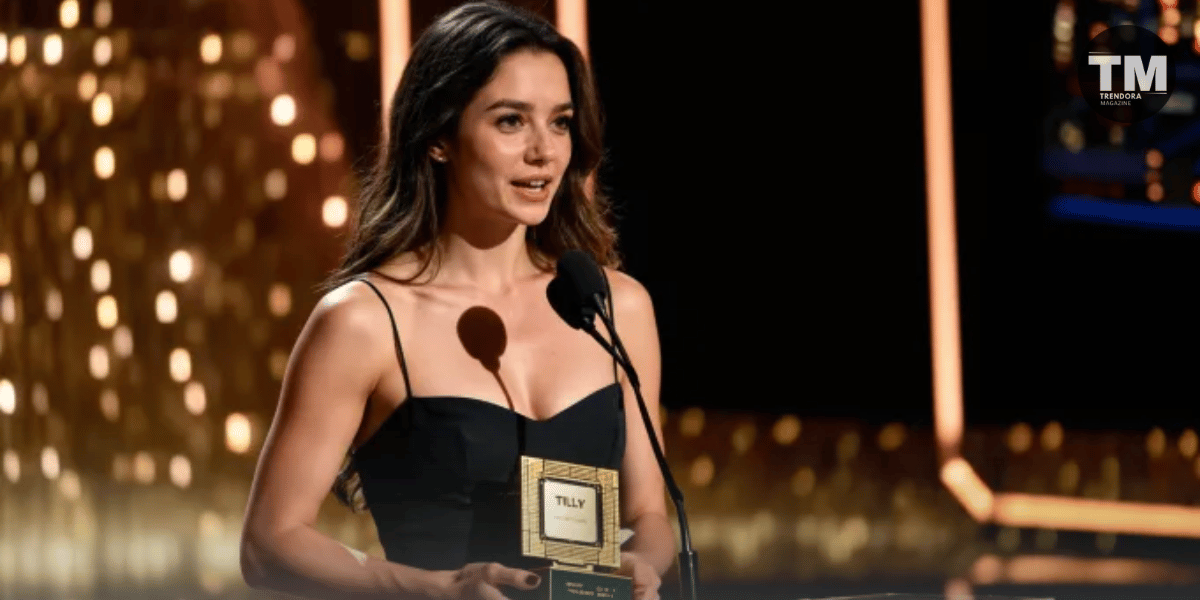
IG-Tilly Norwood
Studios are exploring AI actors as a way to:
Reduce production costs
Create flexible, controllable performers
Experiment with storytelling without human limitations
In fact, some claims suggest AI-driven productions could significantly cut costs compared to traditional filmmaking.
Despite the technological excitement, Tilly Norwood has sparked major controversy.
Actors, creators, and industry professionals have raised concerns about:
Job displacement
Loss of human creativity
Ethical issues around using existing performances to train AI
Critics argue that AI actors lack real emotion and lived experience, which are essential to storytelling.
In simple terms: Hollywood is asking — can a machine truly replace human emotion?
The Bigger Debate: Creativity vs Technology
Tilly Norwood’s rise has triggered a much larger debate about the future of entertainment.
On one side:
AI offers efficiency, innovation, and new possibilities
On the other:
It challenges the very essence of acting and artistic expression
Some industry voices see AI as a tool — like CGI or animation — while others view it as a threat to human creativity.
This tension is exactly why Tilly Norwood is trending.
What This Means for the Future of Movies
The emergence of AI actors suggests a future where:
Digital performers coexist with real actors
Entire films could be AI-generated
Studios gain more control over production
There are already signs that companies are expanding AI-driven characters into larger digital ecosystems, hinting at a new era of entertainment.
But one thing remains uncertain: Will audiences accept it?
Final Thoughts
Tilly Norwood is not just a viral moment — she represents a turning point.
NBC News
The question is no longer whether AI will enter Hollywood — it already has. The real question is how far it will go, and what it will replace along the way.
As technology continues to evolve, the balance between innovation and human creativity will define the future of storytelling.
And right now, that future is being written — not just by humans, but by machines too.
The Questions No One Can Ignore
Tilly Norwood’s rise forces Hollywood to confront deeper questions:
Is acting still acting if the performer isn’t human?
Emotions, memories, and lived experiences have always shaped performances. Can an algorithm deliver that?
Does AI threaten the careers of real actors?
If digital performers become common, the industry may shift toward efficiency over authenticity.
Who owns an AI actor?
The rights, control, and monetization of a digital persona remain legally unclear.
Hollywood is now scrambling to explore new guidelines and guardrails, ensuring that the art of human performance is not overshadowed by technological innovation.
What’s Next for AI in Cinema
Tilly Norwood is just the beginning. Studios around the world are testing similar AI personalities, experimenting with digital doubles and fully synthetic characters. Some filmmakers are curious; others remain adamantly opposed.
But whether embraced or resisted, one truth remains: AI has entered the world of cinema, and the industry will never be the same again.
Tilly’s rise marks a new chapter in Hollywood—a future where creativity, ethics, and technology collide on the biggest stage in the world.
Want more trending business and tech stories? Explore the latest updates on Trendora Magazine.
Daniel Moore is an entertainment writer at Trendora Magazine, covering Hollywood news, celebrity culture, and trending pop culture stories. He focuses on timely updates and clear storytelling that keeps readers informed and engaged.
[…] the announcement of his passing, tributes poured in from fellow actors, filmmakers, and fans worldwide. Many described Ransone as a deeply talented performer whose work resonated […]
Privacy & Cookies: This site uses cookies. By continuing to use this website, you agree to their use.
To find out more, including how to control cookies, see here:
Cookie Policy








[…] the announcement of his passing, tributes poured in from fellow actors, filmmakers, and fans worldwide. Many described Ransone as a deeply talented performer whose work resonated […]