‘Battle of Galwan’ Sparks Diplomatic Tension Even Before Release
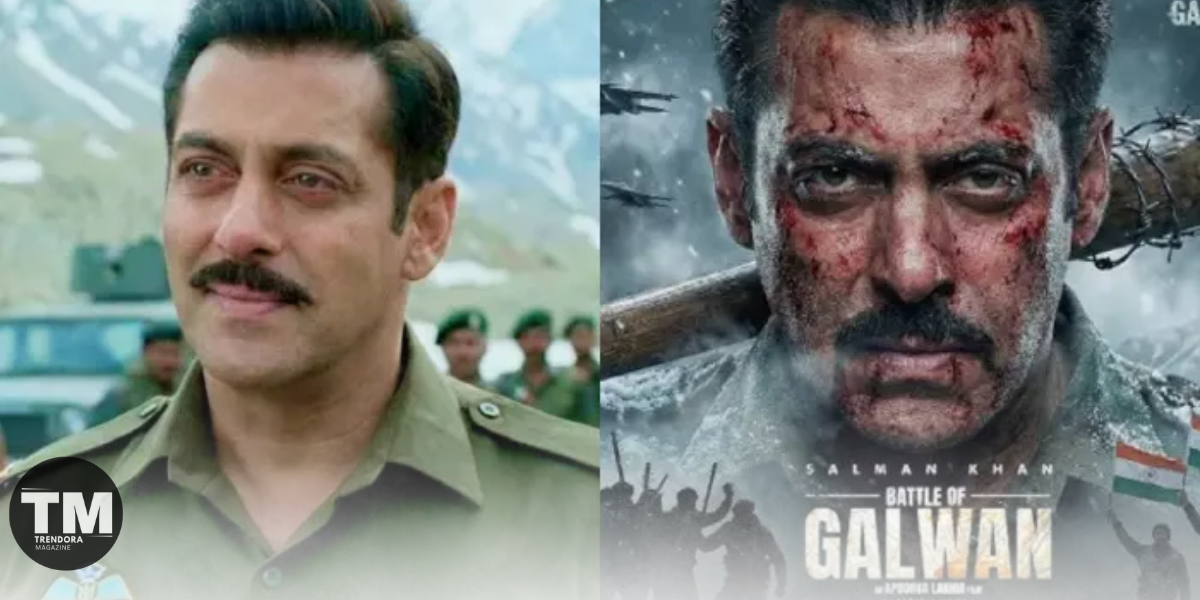
Salman Khan has once again landed at the center of a geopolitical storm after reports and industry buzz around a potential film titled “Battle of Galwan” triggered an angry reaction from China, igniting heated debate across political, cinematic, and social media circles.
What began as chatter about a Bollywood war drama has now evolved into a full-blown controversy — raising questions about art, nationalism, and international sensitivity.

Why “Battle of Galwan” Is So Explosive
The Galwan Valley clash remains one of the most sensitive flashpoints in recent India–China relations. Any portrayal of the incident — especially one led by a superstar like Salman Khan — was bound to draw attention.
The controversy intensified as speculation grew that the film would depict Indian soldiers and the events at the border in a strongly nationalistic tone. Even without official confirmation or a trailer, the title alone appears to have struck a nerve across the border.
China’s Strong Reaction Raises Eyebrows
China’s sharp response has surprised many observers, especially since the project is still surrounded by ambiguity. Critics argue that reacting so aggressively to a film still in discussion only amplifies its impact.
Supporters of artistic freedom see this backlash as an attempt to intimidate creative expression, while others believe filmmakers should tread carefully when dealing with unresolved international conflicts.
Either way, the reaction has ensured one thing: the film is now impossible to ignore.

Bollywood, Nationalism, and Global Politics
Salman Khan’s rumored involvement has added fuel to the fire. As one of Bollywood’s biggest box-office forces, his association turns any project into a mass-cultural event — not just entertainment.
This controversy highlights how Indian cinema increasingly overlaps with national identity and global politics. Films inspired by real conflicts are no longer just stories; they’re statements.
Social Media Divided
Online reactions have been fiercely split.
One side applauds the idea of telling India’s side of the story unapologetically, arguing that cinema should not bow to foreign pressure. Others warn that such films risk escalating tensions and turning art into propaganda.
The louder China’s objections grow, the more curiosity builds among audiences.

What Happens Next?
As of now, there is no official confirmation about the film’s timeline or final narrative. But the backlash itself may accelerate the project rather than stall it.
If “Battle of Galwan” moves forward, it could become one of the most politically charged Bollywood films in recent history — watched not just by moviegoers, but by governments.
Final Take
China’s angry reaction has transformed a rumored Salman Khan film into an international talking point.
Whether this controversy cools down or escalates further, one thing is certain: “Battle of Galwan” has already won the battle for attention — long before the cameras even start rolling.
Want more trending stories and celebrity updates? Explore the latest on Trendora Magazine.
Published by Trendora Magazine
Image & Video Credits: bollywoodshaadis
Author

Share this:

Discover more from Trendora Magazine
Subscribe to get the latest posts sent to your email.