Miley Cyrus Seeks Dismissal of “Flowers” Copyright Lawsuit
Miley Cyrus Moves to Dismiss “Flowers” Lawsuit, Says Breakup Tropes Can’t Be Owned
The singer argues her global hit is “very different” from Bruno Mars’ ballad as she seeks to end the legal battle
February 25, 2026
Miley Cyrus is asking a judge to bring an end to a nearly two-year legal fight over her record-breaking hit “Flowers.”
In a new court filing, the Grammy-winning star is pushing for dismissal of a lawsuit that claims her 2023 anthem copied elements from Bruno Mars’ 2013 ballad “When I Was Your Man.” But according to Cyrus and her legal team, the similarities being cited are nothing more than common themes found in countless breakup songs.
https://youtu.be/ekzHIouo8Q4
And they’re making one thing clear: no one should be allowed to monopolize universal heartbreak.
The case was filed by Tempo Music Investments, a company that purchased rights connected to “When I Was Your Man.” Notably, Bruno Mars himself is not directly involved in the lawsuit.
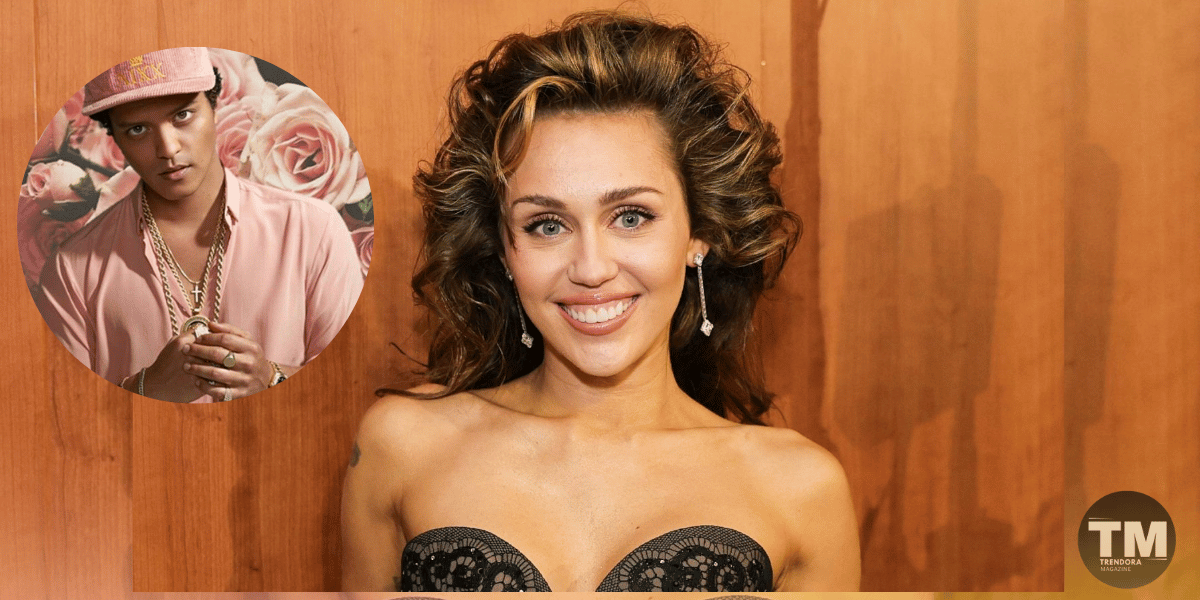
(Photo by Matt Winkelmeyer/Getty Images for The Recording Academy)
Tempo alleges that “Flowers” shares lyrical ideas, melodic structures, and chord patterns similar enough to constitute copyright infringement. The company claims the songs overlap in concept and musical construction.
However, Miley’s team strongly disagrees.
Miley’s Defense: Themes Aren’t Copyright
In the latest filing, Cyrus’ attorneys argue that “Flowers” and “When I Was Your Man” are fundamentally different songs — in tone, structure, and message.
(Photo by Kevin Winter/Getty Images for The Recording Academy)
While Mars’ track centers on regret and longing over a lost relationship, “Flowers” flips that narrative entirely. Miley’s anthem became globally iconic precisely because it celebrates independence, self-worth, and emotional resilience.
Where one song says, “I should have bought you flowers,” the other declares, “I can buy my own flowers.”
According to her legal argument, that inversion is not copying — it’s commentary.
Her attorneys argue that ideas like regret, empowerment, heartbreak, and self-love are common creative territory in pop music. Those emotional themes, they say, are not protected intellectual property.
Why This Case Matters
This lawsuit isn’t just about two songs. It touches on a larger industry debate: how similar can songs be before it becomes infringement?
Pop music has always drawn from shared emotional experiences. Breakups, love, betrayal, moving on — these are foundational storytelling elements in songwriting. If those themes become restricted, it could significantly reshape how artists write and release music.
Cyrus’ legal team is essentially arguing that creativity would suffer if artists were penalized for using common emotional language.
The case was first filed in 2024 and has continued moving through the court system. An earlier attempt to dismiss it was unsuccessful, allowing the lawsuit to proceed further.
Now, Miley is seeking summary judgment — meaning she wants the judge to rule that the case doesn’t warrant a full trial because the songs are clearly distinct.
If granted, the decision would end the legal fight without a jury hearing.
If denied, the case could continue — potentially setting new precedent in copyright law for pop music.
The Impact of “Flowers”
When “Flowers” was released, it became one of the biggest hits of 2023. The song dominated streaming platforms, broke chart records, and became a cultural moment.
Its success was fueled by its message of self-empowerment, resonating with audiences worldwide.
That impact is part of why this lawsuit has drawn so much attention. It’s not just about artistic similarity — it’s about one of the most commercially successful songs of the decade.
What Happens Next
The judge will now review Miley’s motion to dismiss. A decision could either bring the dispute to a close or push it further toward trial.
For now, Miley Cyrus remains firm in her stance: heartbreak may inspire songs — but it doesn’t belong to any one artist.
And in her view, neither do flowers.
Want more trending stories and updates? Explore the latest on Trendora Magazine
Emily Watson is a celebrity and lifestyle contributor at Trendora Magazine, sharing celebrity news, fashion moments, and lifestyle trends. Her writing brings a relatable, human touch to today’s most talked-about stories.