

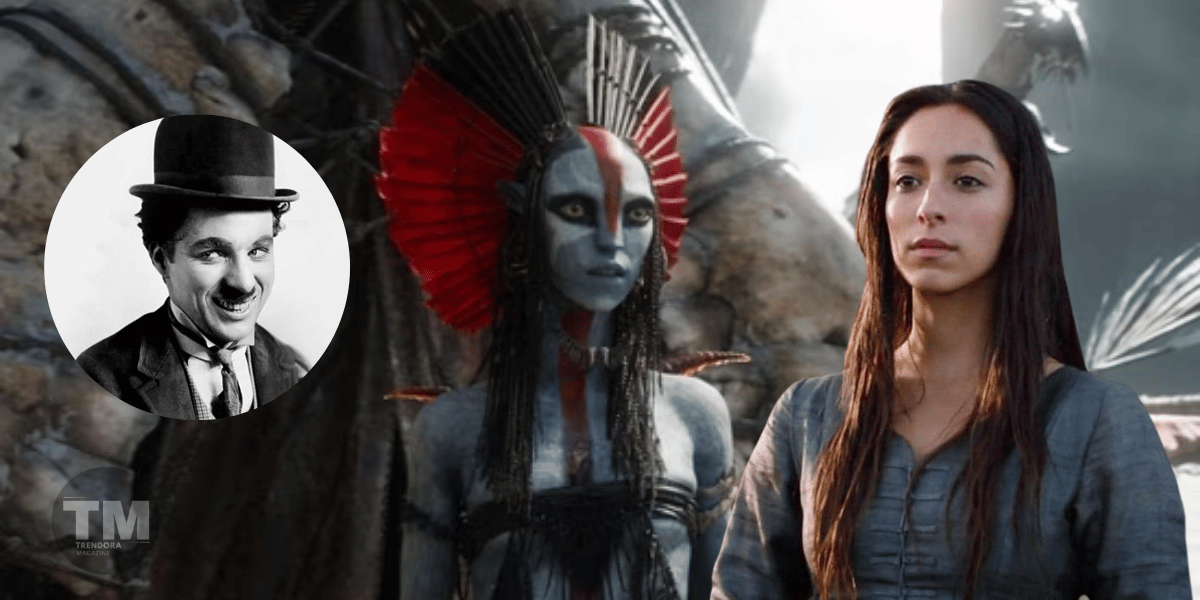
And How Her Avatar Role Is Changing Everything
December 21, 2025
As excitement builds around Avatar: Fire and Ash, Oona Chaplin is trending for more than just her new role. A long-standing question has resurfaced online: Did Oona Chaplin once consider changing her last name to avoid being constantly linked to her legendary grandfather, Charlie Chaplin?

The answer is yes — she considered it, but never went through with it. And today, her career choices, especially Avatar, show exactly why that decision matters
The Truth Behind the Name-Change Conversation
This isn’t an internet rumor. Oona Chaplin has openly admitted in past interviews that early in her career, she thought about changing her surname. The reason wasn’t embarrassment — it was pressure.

Being the granddaughter of Charlie Chaplin meant instant recognition, but also instant judgment. Oona worried that her work would be viewed through the lens of nepotism rather than talent.
She wanted casting directors and audiences to see her — not just the legacy she was born into.
Why She Ultimately Kept the Chaplin Name
Despite those concerns, Oona chose not to change her last name. Over time, she realized that distancing herself from the Chaplin legacy wouldn’t define her — her work would.
Instead of running from the name, she decided to stand behind it and prove herself through challenging roles, slow career-building, and performances that spoke louder than lineage.
That choice now feels especially significant.
Her Avatar Role: A Career-Defining Moment
Oona Chaplin’s casting as Varang, the central antagonist in Avatar: Fire and Ash, marks the biggest leap of her career.
Unlike traditional villains, Varang is described as a complex, emotionally driven character — shaped by loss, survival, and inner conflict. Chaplin herself has explained that she never approached Varang as “evil,” but as deeply human.
This role places her at the heart of one of the most anticipated global franchises, directed by James Cameron, and introduces her to a massive new audience — including millions of Indian viewers who closely follow the Avatar universe.
Why This Role Changes the Conversation
For years, discussions around Oona Chaplin often circled back to her family name. Avatar: Fire and Ash changes that narrative.
Now, the focus is on:
- Her screen presence
- Her ability to carry a major blockbuster role
- Her transformation into a powerful, emotionally layered antagonist
In short, she’s no longer talked about because she’s a Chaplin — she’s talked about because she belongs on the global stage
Why This Story Is Trending Now
With Avatar: Fire and Ash gearing up for release, fans are revisiting Oona Chaplin’s journey — from questioning her surname to confidently owning it while leading a billion-dollar franchise.
The contrast is striking:
A woman who once considered hiding her last name is now standing front and center in one of cinema’s biggest worlds.
The Bigger Picture
Oona Chaplin’s story resonates because it reflects a universal struggle — stepping out of expectations and building an identity on your own terms.
She didn’t change her name.
She changed the narrative.
And with Avatar: Fire and Ash, that narrative is finally hers.
Want more trending stories and updates? Explore the latest on Trendora Magazine
Published by Trendora Magazine
Author

Share this:

Discover more from Trendora Magazine
Subscribe to get the latest posts sent to your email.





[…] is officially back on the big screen — and audiences around the world are responding. Avatar: Fire and Ash, the latest installment in the Avatar saga, has opened to an impressive global box-office debut, […]