U.S. Launches Military Strikes: What Happened, Why It Happened, and What Comes Next
January 3, 2026
The world woke up to shockwaves after reports emerged that the United States had launched military strikes targeting locations linked to Venezuela. Explosions were reported near strategic areas, triggering panic, uncertainty, and a flood of global reactions. While details are still unfolding, the development marks one of the most serious escalations between the two nations in years.
View this post on Instagram
What Happened
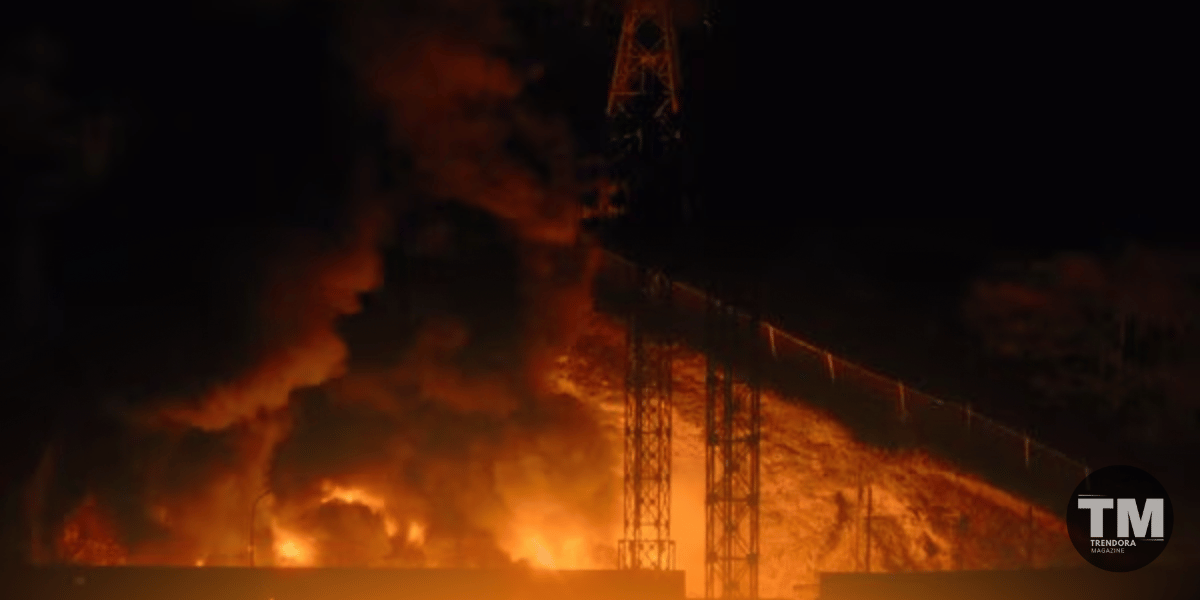
According to early reports, U.S. forces carried out coordinated strikes aimed at strategic targets believed to be connected to military and security infrastructure. Residents described loud explosions, temporary power disruptions, and increased military activity in and around major cities.
Soon after, claims surfaced suggesting that Venezuela’s leadership — including President Nicolás Maduro — had been directly targeted as part of the operation. These claims have fueled intense speculation, though official confirmation from all sides remains limited.
What is clear is that the operation was swift, calculated, and designed to send a powerful message.
Why the U.S. Took This Step
U.S. officials have long accused Venezuela’s leadership of corruption, human-rights violations, and ties to international criminal networks. The strikes are being framed by Washington as part of a broader effort to dismantle what it describes as destabilizing forces operating under state protection.

Another key factor appears to be regional security. Venezuela’s political and economic crisis has contributed to mass migration, regional instability, and growing tension across the Americas. From the U.S. perspective, the situation has moved beyond diplomacy into what it views as a direct security concern.
Critics, however, argue that military action risks worsening instability rather than resolving it.
Why the Strikes Are So Controversial
The operation has ignited immediate debate on legality and precedent. Questions are being raised about sovereignty, international law, and whether such action sets a dangerous example for global conflict resolution.
There are also humanitarian concerns. Any military strike carries the risk of civilian harm, infrastructure damage, and long-term consequences for ordinary people already struggling under economic hardship.
Globally, reactions have been sharply divided — with some governments supporting a hard stance against authoritarian regimes, while others warn this could trigger wider conflict.
What Happens Next
The aftermath is still unfolding, but several outcomes seem possible. Venezuela may respond diplomatically, militarily, or through international legal channels. Emergency meetings among global powers are expected, with calls for restraint and clarity growing louder.
For the U.S., the move signals a dramatic shift from pressure and sanctions to direct action — a decision that will be closely scrutinized at home and abroad.
What’s certain is this: the strikes have changed the political landscape overnight, and their consequences will be felt far beyond Venezuela’s borders.
As the situation develops, the world is watching closely — not just to see what happens next, but to understand what this moment means for the future of global power, diplomacy, and conflict.
Want more trending stories and celebrity updates? Explore the latest on Trendora Magazine.
Published by Trendora Magazine
Image & Video Credits: AFP/NBCNEWS/9news Australia
Author

Share this:

Discover more from Trendora Magazine
Subscribe to get the latest posts sent to your email.