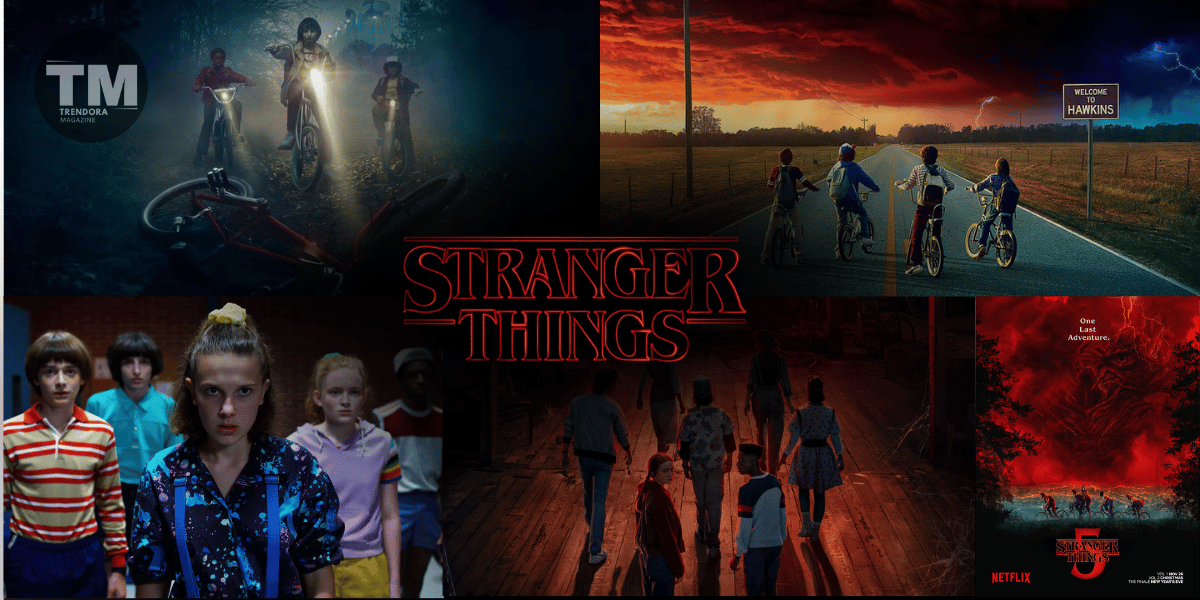
From sold-out theaters to decade-long emotional investment, here’s why the Stranger Things finale feels bigger than most major movie releases.
When the finale of Stranger Things arrives, it won’t feel like the end of a TV show. It will feel like the closing night of a cultural era — one that defined a decade of entertainment, fandom, and shared obsession.

In fact, judging by the response so far, the Stranger Things finale already feels bigger than most movie releases. And there’s a reason for that.
This Isn’t Just a Finale — It’s a Collective Goodbye
Movies come and go. Even the biggest blockbusters dominate conversation for a few weeks before fading into the next release cycle.
Stranger Things is different.


For nearly ten years, fans didn’t just watch this story — they grew up with it. The characters aged alongside the audience. The themes matured. The stakes deepened. What started as a small-town mystery turned into a shared emotional timeline for millions.
That kind of connection can’t be replicated in a two-hour movie.
Theaters, Not Living Rooms — And That Changes Everything
Netflix’s decision to bring the finale into cinemas has transformed the experience entirely.
Instead of:
- watching alone
- scrolling phones
- pausing mid-episode
Fans are now:
- filling theaters
- reacting together
- sharing silence, gasps, and applause
That communal energy is something movies usually own — yet here, a TV series is commanding it at a global scale.

When over a million fans RSVP and thousands of screenings sell out, it stops being content. It becomes an event.
A Decade of Emotional Investment Pays Off
Blockbusters rely on spectacle.
Stranger Things relies on memory.
Fans remember:
- where they were when Season 1 dropped
- how certain scenes felt the first time
- how the music, friendships, and losses hit close to home
The finale isn’t just answering plot questions — it’s closing chapters of people’s lives.
That emotional weight is why this ending feels heavier than any opening weekend box office number.
Fandom Made This Bigger Than Hollywood
This moment wasn’t manufactured by marketing alone.
It was built by:
- fan theories
- rewatches
- Halloween costumes
- online debates
- years of anticipation
Hollywood releases movies at audiences.
Stranger Things evolved with its audience.
That difference matters.

More Than an Ending — A Cultural Timestamp
Years from now, people won’t just remember how Stranger Things ended. They’ll remember when it ended — what stage of life they were in, who they watched it with, and what it meant to them at that moment.
That’s rare. And that’s powerful.
Very few franchises get that privilege.
The Finale That Feels Like History
As the Upside Down closes its doors for the last time, Stranger Things leaves behind more than episodes. It leaves behind a legacy of shared storytelling — proof that television, when done right, can rival and even surpass cinema.

This doesn’t feel like a finale because it isn’t just an ending.
It feels like history being signed off — together.
Want more trending stories and celebrity updates? Explore the latest on Trendora Magazine.
Published by Trendora Magazine
Image & Video Credits: Netflix
Author

Share this:

Discover more from Trendora Magazine
Subscribe to get the latest posts sent to your email.