The platform takes firm action against misleading AI-generated content viewed by over a billion users
December 20, 2025
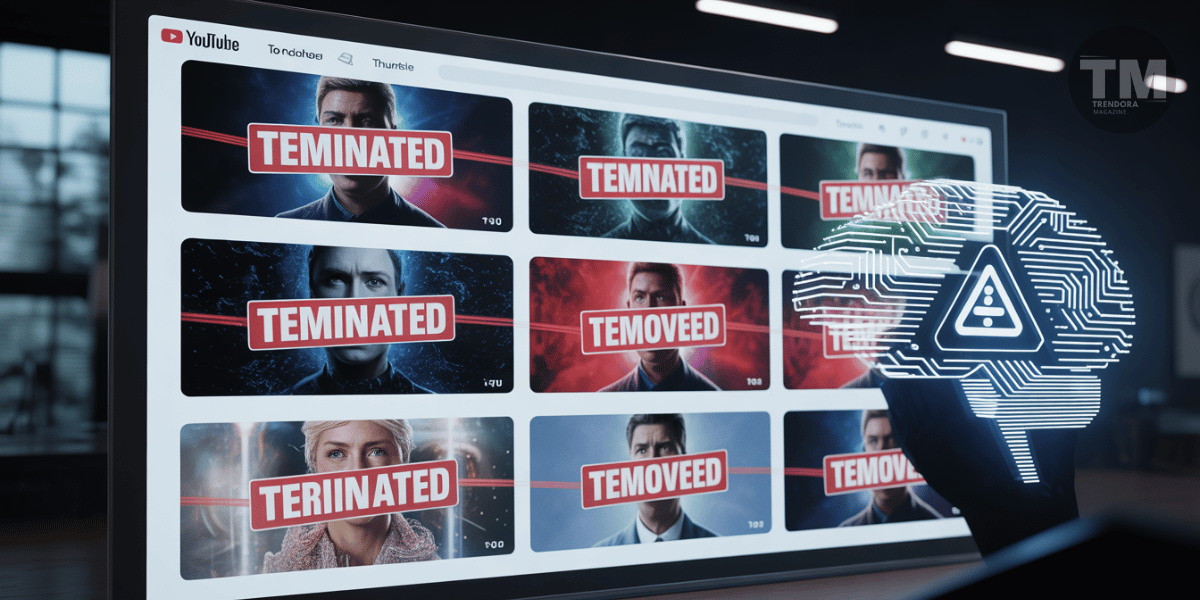
In a major move aimed at protecting viewers from misleading content, YouTube has terminated several popular channels known for publishing AI-generated fake movie trailers, many of which collectively crossed more than one billion views. The decision marks one of the strongest actions yet taken by the platform against deceptive uses of artificial intelligence.
The removed channels had gained massive followings by uploading hyper-realistic trailers for upcoming or entirely fictional films. While often labeled as “fan edits” or “concept trailers,” many of these videos closely mimicked official studio releases, leaving viewers confused about what was real and what wasn’t.
When AI Creativity Becomes Misleading
AI-generated trailers are not new, but their quality has improved dramatically in recent years. Using advanced editing tools, voice cloning, and deepfake visuals, creators were able to stitch together convincing previews that looked like authentic studio teasers.
The problem, according to YouTube, wasn’t creativity — it was misrepresentation. Many of the trailers used official movie titles, actor names, and studio branding in ways that suggested legitimacy, even when disclaimers were unclear or removed altogether.
Why YouTube Stepped In
YouTube cited violations of its policies around spam, misleading metadata, and deceptive practices. The platform had previously taken smaller steps, including demonetization, but ultimately determined that repeated violations and continued audience confusion warranted permanent removal.
The decision also follows growing pressure from major film studios, which have raised concerns that fake AI trailers were diverting views and ad revenue away from official promotional content.
A Warning Sign for AI Content Creators
This crackdown sends a clear message to creators working with artificial intelligence: transparency matters. While fan content and creative experimentation are still allowed, content that intentionally blurs the line between fiction and official media may face serious consequences.
For viewers, the move is a reminder to double-check sources, especially as AI-generated media becomes more convincing and widespread.
The Bigger Impact on Digital Media
The takedown highlights a larger challenge facing platforms today — how to regulate AI-powered creativity without stifling innovation. As synthetic media becomes easier to produce, platforms like YouTube are being forced to rethink enforcement, labeling, and accountability at scale.
For now, YouTube’s action signals a turning point: viral reach alone is no longer enough if content misleads millions in the process.
Want more trending stories and updates? Explore the latest on Trendora Magazine
Published by Trendora Magazine
Image & Video Credits: AI-generated illustration for editorial use only
Visuals are used strictly for informational purposes. All rights belong to their respective owners. No copyright infringement intended.
Author

Share this:

Discover more from Trendora Magazine
Subscribe to get the latest posts sent to your email.